
When cavities, broken teeth, or other damage occurs, restorative dentistry brings your teeth back to full form and function. At Calm Dental Studio in Delaware, Ohio, Dr. Alla specializes in restorative treatments that repair damage and restore your ability to eat, speak, and smile confidently. From simple fillings to complex reconstructions, we use the latest materials and techniques for excellent, long-lasting results.
Restorative dentistry involves repairing teeth damaged by decay, breakage, wear, or other factors. The goal is to restore the tooth to its original form and function while maintaining strength, longevity, and appearance. Common restorative treatments include fillings, crowns, bridges, bonded restorations, and dental implants (though implants are sometimes considered prosthetic rather than restorative). Restorative treatment is different from cosmetic treatment, though excellent restorative care is often beautiful as well.
At Calm Dental Studio in Delaware, Dr. Alla takes a conservative approach to restoration. She removes only the minimum tooth structure necessary to eliminate disease and restore function. She uses high-quality materials that match your natural teeth and last for many years. She restores not just the crown of the tooth (the visible portion) but also considers the overall health of the tooth, including the root and supporting structures. Her goal is to restore your teeth in a way that supports long-term health and function.
Dr. Alla believes in preserving as much of your natural tooth structure as possible. When a filling is appropriate, she places a filling rather than a crown. When a root canal can save a tooth, that's preferable to extraction. She removes only the minimum decay or damaged tissue necessary to eliminate disease and restore function. This conservative approach means you keep more of your natural tooth, which is always better than artificial restorations when possible.
We use the best materials available tooth-colored composite resins, high-quality cements, and premium restorative materials. These materials match your natural teeth in color and transparency, creating restorations that are both beautiful and durable. We use modern bonding techniques that create a strong seal between restoration and tooth. The better the materials and technique, the longer your restorations last and the better they function.
Every tooth is different, and Dr. Alla customizes her approach to your specific situation. She considers the size and location of the problem, the strength of the remaining tooth structure, your bite and chewing forces, and long-term health of the tooth. Treatment may vary depending on whether the tooth is front or back, whether it's already had previous restoration, and what your goals are. She explains options and helps you make informed decisions about your care.
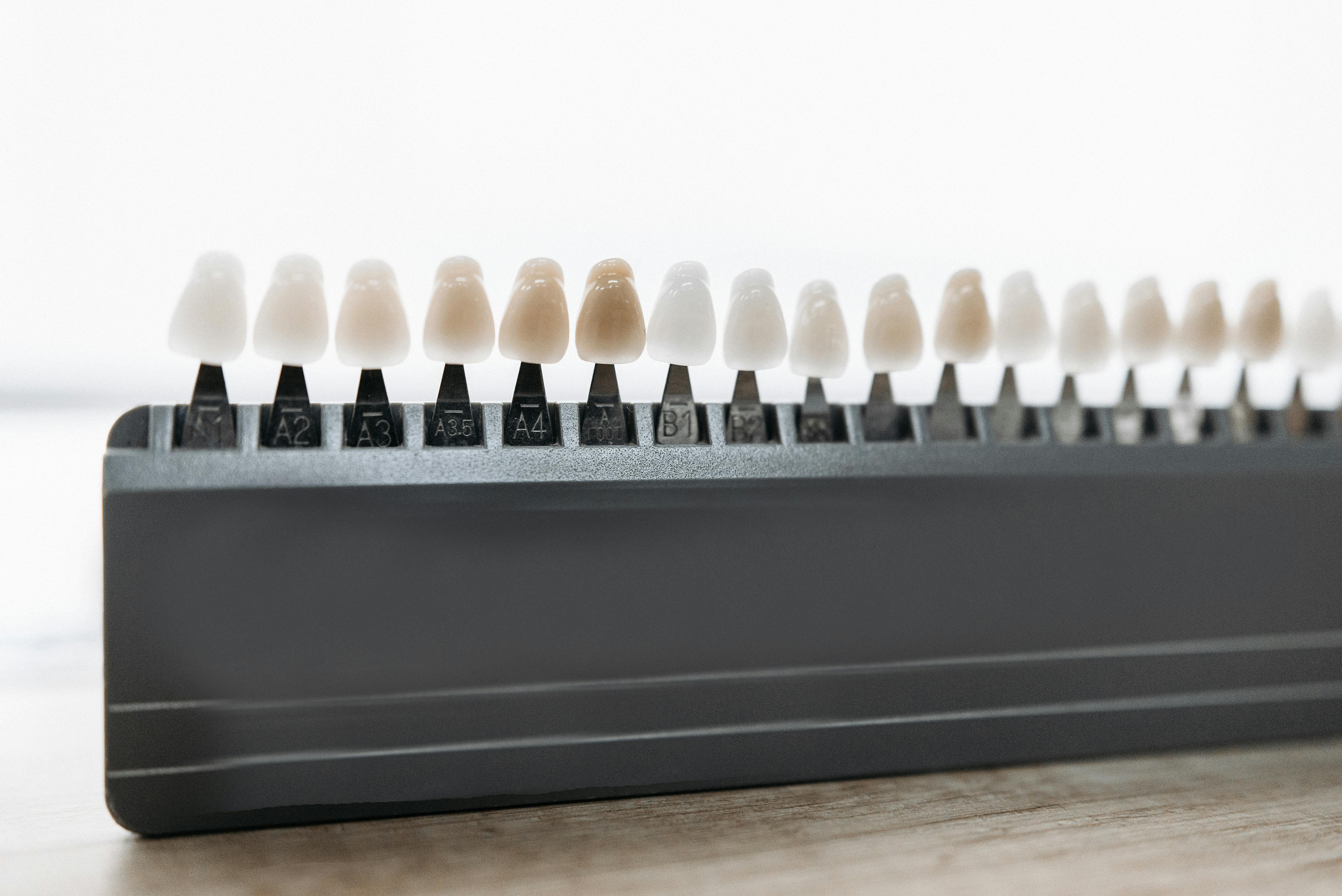
A good restoration not only works well but also looks great. Dr. Alla carefully matches the color, shape, and translucency of restorations to your natural teeth. She ensures that the restoration doesn't stick out or create awkward transitions. When you look in the mirror or smile at friends, your restorations should blend seamlessly with your natural teeth. Excellent function and appearance give you confidence to eat, speak, and smile without self-consciousness.
Dr. Alla uses techniques and materials that stand the test of time. Careful restoration placement, excellent margins, and attention to the factors that cause restorations to fail mean your restorations last many years. While no restoration is permanent, excellent restorative work lasts longer than rushed or inferior work. Investing in quality restoration now prevents the need for replacement sooner than necessary.
The success of your restoration depends partly on how you care for it. Dr. Alla educates you about maintaining your restored teeth, avoiding behaviors that damage restorations, and maintaining excellent oral hygiene around restorations. She discusses what to expect from your restoration and what warning signs might indicate a problem. This education helps you get the maximum life from your restoration.
Your comfort and the aesthetic outcome are Dr. Alla's top priorities. Here’s what you can expect during your Restorative Dentistry process:
During your exam, Dr. Alla identifies the problem requiring restoration like decay, breakage, or other damage. She discusses what's wrong, how it happened, and what treatment is recommended. She explains the benefits and potential drawbacks of various approaches. She answers your questions and ensures you understand the recommended treatment and why it's the best option for your tooth.
For most restorative procedures, Dr. Alla applies local anesthesia to numb the tooth and surrounding area. We ensure you're completely numb before beginning treatment. If you have anxiety about dental procedures, we discuss comfort options including sedation. We position you comfortably and provide clear communication throughout the procedure.
Dr. Alla carefully removes all decay or damaged tissue, using precise rotary instruments and sometimes hand instruments to visualize and remove exactly what needs to come out. She removes the minimum necessary to eliminate disease and establish a solid foundation for restoration. The preparation is shaped appropriately for the type of restoration being placed. Throughout this phase, she's careful to protect surrounding teeth and tissues.
Once the tooth is prepared, Dr. Alla places the restoration. For fillings, she places composite material in layers, hardening each layer with special light, then shapes and polishes it to match surrounding teeth. For crowns or other restorations, she uses custom-made materials that have been specifically created to fit your tooth perfectly. She checks the fit, bite, and appearance carefully to ensure the restoration is comfortable and looks natural.
After the restoration is initially placed, Dr. Alla refines its shape and polish to perfection. She checks your bite carefully, you should feel that your teeth come together naturally without the restoration interfering. She gives you care instructions for your new restoration and discusses what to expect. For most restorations, you can eat and drink normally immediately after the procedure.
We understand you might have questions about Dental Exams and Cleaning.
Here are some common inquiries we receive at Calm Dental Studio:
A filling is appropriate when only a small amount of the tooth is damaged. Dr. Alla removes the decay or damage and fills the void with restoration material. A crown is appropriate when more than half the tooth's biting surface is damaged or needs restoration. With a crown, Dr. Alla removes the entire outer layer of the tooth and replaces it with a custom-made crown that covers the whole tooth. The choice depends on the extent of damage and what will best restore function and longevity.
Composite resin fillings typically last 5-10 years, though some last longer with excellent home care and favorable conditions. Crowns typically last 10-15 years or longer depending on materials and care. The longevity depends on the quality of the initial restoration, your home care habits, your diet, and forces on the tooth. Dr. Alla will discuss the expected lifespan of your specific restoration.
You shouldn't feel pain because the area is numb. However, you may feel pressure, vibration, or hear sounds during the procedure. Some people feel a tingling sensation as anesthetic wears off. If you feel any pain, tell Dr. Alla immediately and we can add more anesthesia. Our goal is complete comfort during your procedure.
Yes. Teeth that have already been restored can sometimes be further restored if new decay develops or if the existing restoration fails. However, each time a tooth is restored, more tooth structure is removed, so we try to make restorations last as long as possible. Eventually, if too much of the tooth is damaged or has been removed through multiple restorations, extraction may become the only option.
We recommend avoiding very hard foods and avoiding chewing on the treated side of your mouth until anesthesia has worn off as you might accidentally bite your cheek or tongue. After the anesthesia wears off, you can usually eat normally. Avoid excessively hard or sticky foods that could damage your restoration. Beyond these precautions, treat your restoration like a natural tooth.
Your restoration is cared for like a natural tooth—brush twice daily, floss daily, avoid excessive force, and avoid hard foods. Don't chew on ice, hard candy, or other very hard foods, as these can crack restorations. If you grind your teeth, a night guard can protect your restorations. Regular dental exams allow Dr. Alla to check your restoration and your remaining teeth.
You're a candidate for restorative dentistry if you have damaged or decayed teeth that need repair. The situations below indicate you should see Dr. Alla for restorative evaluation:
Call Calm Dental Studio today to schedule a restorative consultation with Dr. Alla. We're here to restore your teeth to full health and function.
Reach out to us—your comfort and care are always our priority. Whether you're ready to schedule, have a question, or want to learn more, we've made it easy to connect.

Ready for a brighter, more confident smile? Schedule your visit or ask about our gentle cosmetic treatments

Curious about our approach to esthetic dentistry? Let’s chat about your goals and how we can help you feel your best.

Visit ourFAQor browse theResource Hubfor helpful tips, answers, and guidance from our caring dental experts.
Reach out to us your comfort and care are always our priority.
Our office is proud to be the dental home for patients in Delaware (43015), as well as our neighbors
in Powell (43065) and Lewis Center (43035).
We offer ample parking and a convenient location right off Route 23 to ensure your visit is stress-free.
Send us a message anytime. We’re happy to answer your questions.
Available Tuesday, Wednesday, Friday & Saturday, 9am–5pm. Let’s chat about your dental needs.
Experience a soothing environment schedule a visit or stop by.