
While Dr. Alla at Calm Dental Studio always strives to save your natural teeth, sometimes extraction is the best option for your overall oral health. Whether you need a tooth extracted due to severe decay, advanced gum disease, damage beyond repair, or severe crowding, Dr. Alla provides gentle, expert extraction with compassionate care. She'll discuss options with you and perform extraction with a calm, patient approach.
Tooth extraction is the surgical removal of a tooth from its socket in the jawbone. Extractions become necessary when a tooth is too damaged or decayed to be saved, when severe gum disease has compromised tooth support, when a tooth is preventing proper healing of surrounding tissues, or when severe crowding requires removal for orthodontic reasons. Dr. Alla performs both simple extractions (for teeth with exposed roots) and surgical extractions (for teeth that need bone removal for access) depending on the tooth and situation.
Extraction is sometimes the best decision for your long-term oral health, even though it's not the ideal outcome. After extraction, you'll need to replace the missing tooth with a bridge, implant, or denture to restore function and maintain jaw bone. Dr. Alla will discuss replacement options with you and help you make the best choice for your situation.
At Calm Dental Studio in Delaware, Dr. Alla performs extractions gently and carefully, with appropriate anesthesia to ensure comfort. She takes a conservative approach and only recommends extraction when it's truly the best option for your health.
Dr. Alla has extensive experience with both simple and complex extractions. She uses careful technique to minimize trauma to surrounding bone and tissue. Her skill means faster healing and less discomfort after extraction. She uses appropriate elevators and forceps, applying gentle, controlled pressure rather than force. Extractions performed skillfully heal better and with fewer complications than extractions performed roughly.
Before extraction, Dr. Alla assesses the tooth thoroughly with digital imaging. She understands the root anatomy and bone structure, allowing her to plan the extraction approach carefully. She discusses the procedure with you, explains what to expect, and answers your questions. This planning reduces surprise during extraction and ensures smooth, efficient treatment.
If you're anxious about extraction, Dr. Alla understands and takes special care with anxious patients. She explains what's happening, gives you breaks if needed, and is gentle throughout the procedure. She uses adequate anesthesia to eliminate pain. Many patients are surprised that extraction is less uncomfortable than they anticipated, especially when performed by a skilled, patient provider like Dr. Alla.
Local anesthesia completely numbs the tooth and surrounding area, so you feel no pain during extraction, only pressure and vibration. If you feel any pain, tell Dr. Alla and she'll add more anesthesia. For patients with significant anxiety, we can discuss sedation options. After extraction, pain is usually minimal and well-controlled with over-the-counter pain relievers.
Dr. Alla's careful technique and attention to hemostasis (controlling bleeding) promote rapid healing. She may place bone graft material to preserve bone volume, important if you're considering implant placement later. She provides detailed aftercare instructions to support healing. Most sockets heal within 1-2 weeks, though complete bone remodeling takes several months.
After extraction, Dr. Alla helps you plan replacement options. She can discuss dentures, implants, or bridges, explaining pros and cons of each. If you choose implant placement, she can maintain your extraction site appropriately to support future implant. She helps you make the best decision for your situation and supports you through the entire process.
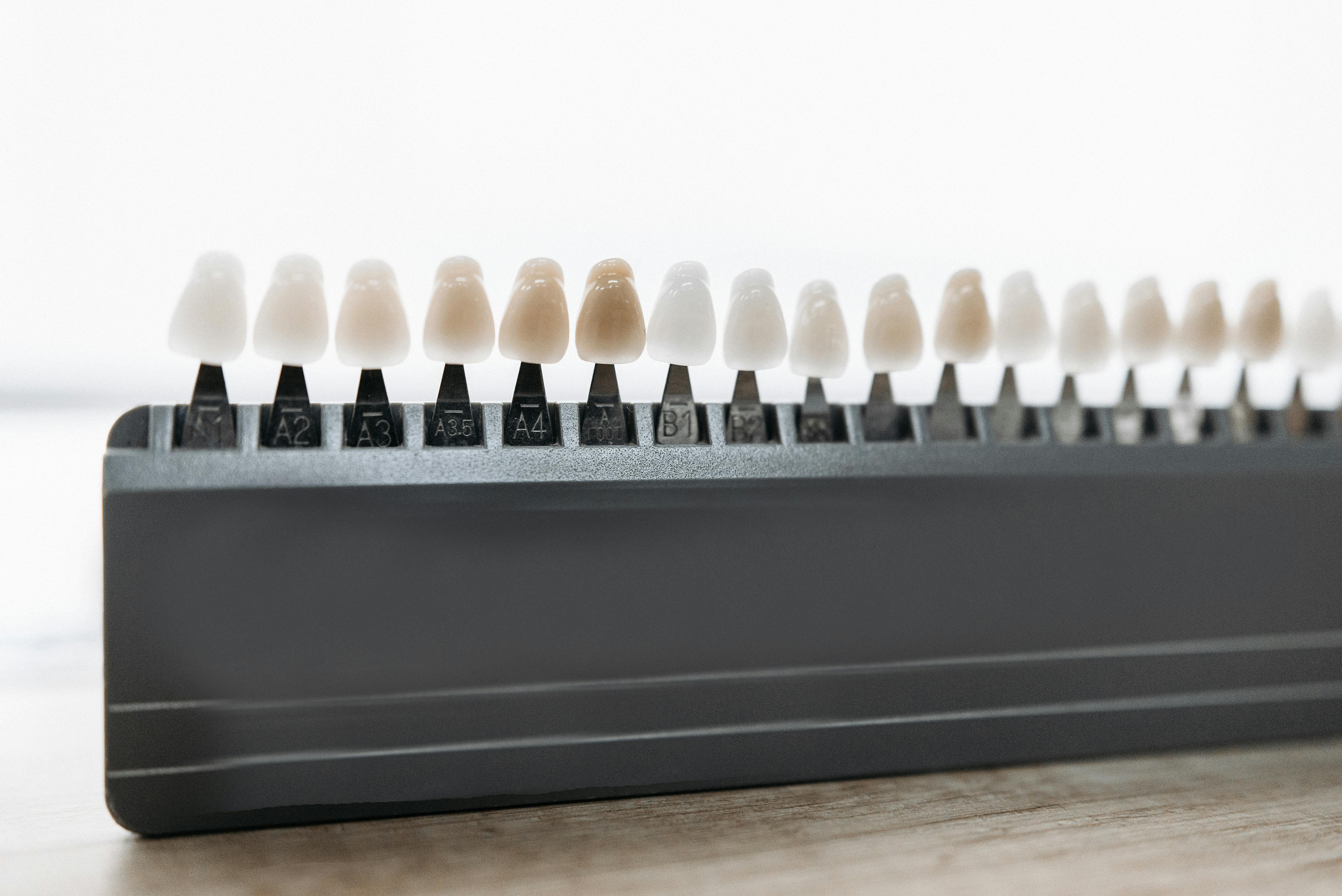
Your comfort and the aesthetic outcome are Dr. Alla's top priorities. Here’s what you can expect during your Dental Fillings Treatment Process:
During your initial examination, Dr. Alla assesses the tooth and confirms that extraction is appropriate. She takes digital X-rays to understand the root anatomy and bone structure. She discusses the extraction with you, explaining why it's necessary and what to expect. She answers your questions and addresses any concerns. For simple extractions, planning is straightforward; for surgical extractions, she explains the additional steps.
Dr. Alla administers local anesthesia to completely numb the tooth and surrounding area. She allows time for the anesthetic to take full effect. She confirms that you're completely numb before beginning extraction. You should feel no pain during the extraction, only pressure and vibration. If you feel any pain, tell her immediately.
For simple extractions, Dr. Alla uses specially designed elevators and forceps to gently loosen and remove the tooth from its socket. She applies steady, controlled pressure to separate the tooth from its periodontal ligament attachments. The tooth is gently removed without force. For surgical extractions, she may need to remove bone or section the tooth into pieces for removal.
Once the tooth is extracted, Dr. Alla carefully cleans the socket to remove any remaining debris, infected tissue, or bone fragments. She may place bone graft material to preserve bone volume and support future tooth replacement like an implant. Bone preservation now prevents the need for bone graft later. She carefully inspects the socket to ensure it's clean and ready for healing.
Dr. Alla ensures the socket stops bleeding through gentle pressure and may place stitches if needed. She provides detailed aftercare instructions including what to expect, how to care for the site, and when to contact her if problems develop. She ensures you have pain medication and aftercare supplies. You're given time to recover before being released.
Dr. Alla checks your bite, ensuring your teeth come together naturally without the filling interfering. She makes any final adjustments to the shape and polish. Once complete, your filled tooth looks and feels completely natural. You can eat and function normally once the numbness wears off (usually 1-2 hours).
We understand you might have questions about Tooth Extraction.
Here are some common inquiries we receive at Calm Dental Studio:
Simple extractions typically take 5-15 minutes. Surgical extractions may take 20-45 minutes depending on complexity. The time includes anesthesia, extraction, and site preparation. Dr. Alla doesn't rush—she takes whatever time is needed to extract the tooth gently and completely.
You shouldn't feel pain because the tooth is numb. You'll feel pressure and vibration but not pain. If you feel any pain, tell Dr. Alla and she'll add more anesthesia. Most patients report feeling minimal pain during extraction; the anticipation is usually worse than the actual procedure.
For the first 24 hours, avoid very hot foods and stick to soft foods—ice cream, soup (cooled), pudding, mashed potatoes, and smoothies. Avoid using a straw because the suction can disturb the socket. Avoid hard or sticky foods that require significant chewing. After 24 hours, you can gradually return to normal foods as comfort allows. Most people resume normal eating within a few days.
Bleeding should stop within a few hours. The socket begins filling with tissue within a few days and is mostly closed within 1-2 weeks. Complete bone remodeling takes several months. During the first week, the site is most vulnerable, so follow aftercare instructions carefully during this time. If you're considering implant placement, bone remodeling should largely complete before implant placement (usually 3-6 months).
Some minor pain and swelling for the first few days is normal. Ibuprofen or acetaminophen manages most discomfort. However, if you develop severe pain (dry socket), excessive bleeding, fever, or swelling that worsens after a few days, contact Dr. Alla immediately. These symptoms indicate a complication that needs professional care.
Replacing the extracted tooth is beneficial for several reasons. Leaving a gap allows remaining teeth to shift and move, affecting your bite and appearance. Missing teeth affect your ability to eat certain foods and may impact your speech. Finally, bone in the extraction site resorbs without tooth stimulation, so prompt replacement preserves bone. Dr. Alla can discuss dentures, implants, or bridges as replacement options.
You're a candidate for tooth extraction if Dr. Alla determines it's the best option for your oral health. The situations below indicate extraction might be necessary:
If Dr. Alla recommends extraction, it's because she's determined it's the best choice for your long-term health. Call Calm Dental Studio to discuss your situation and explore whether extraction is appropriate.
Reach out to us—your comfort and care are always our priority. Whether you're ready to schedule, have a question, or want to learn more, we've made it easy to connect.

Ready for a brighter, more confident smile? Schedule your visit or ask about our gentle cosmetic treatments

Curious about our approach to esthetic dentistry? Let’s chat about your goals and how we can help you feel your best.

Visit ourFAQor browse theResource Hubfor helpful tips, answers, and guidance from our caring dental experts.
Reach out to us your comfort and care are always our priority.
Our office is proud to be the dental home for patients in Delaware (43015), as well as our neighbors
in Powell (43065) and Lewis Center (43035).
We offer ample parking and a convenient location right off Route 23 to ensure your visit is stress-free.
Send us a message anytime. We’re happy to answer your questions.
Available Tuesday, Wednesday, Friday & Saturday, 9am–5pm. Let’s chat about your dental needs.
Experience a soothing environment schedule a visit or stop by.